
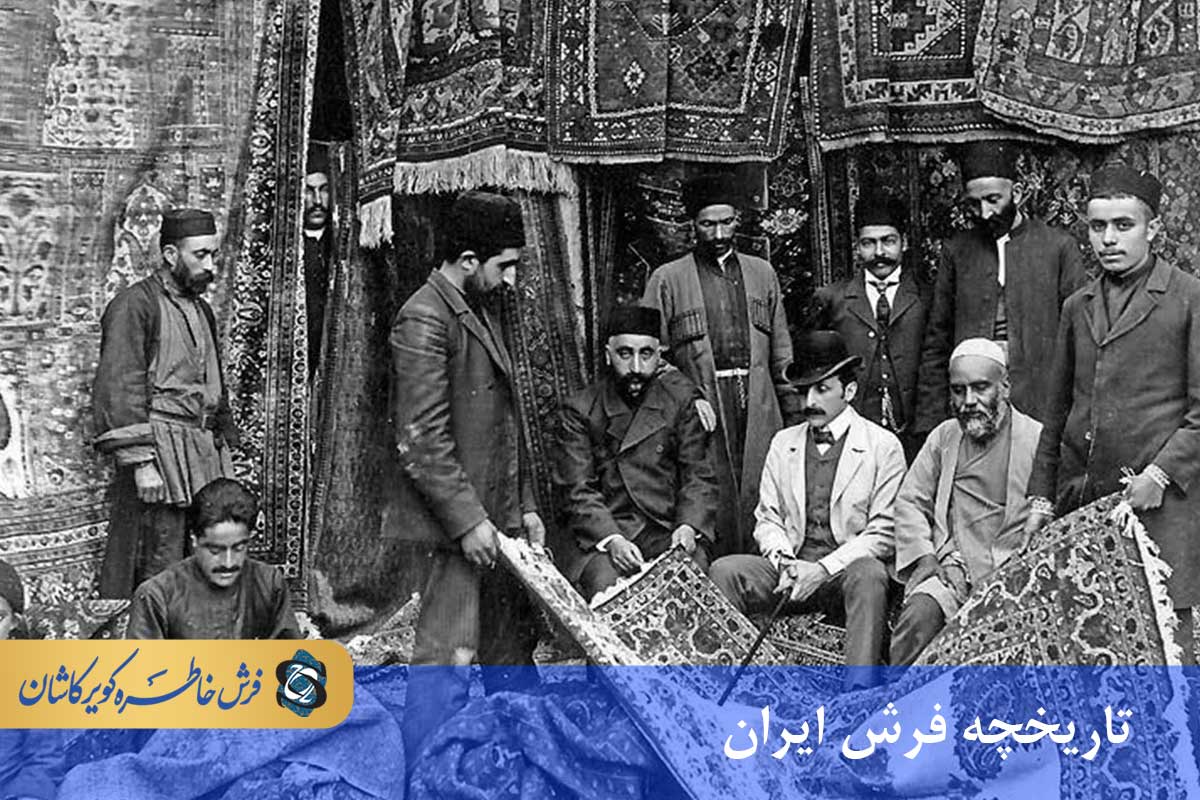
History of the Iranian Carpet: A Mirror of the Culture and Art of a Nation

In Iranian culture, carpets are not only a practical item, but also a symbol of art, authenticity, and national identity. Since ancient times, handmade Iranian carpets with unique patterns and colors have told stories about the nature, history, and beliefs of the people of this land. Each knot and each design is the result of hours of effort and creativity of artists who introduce Iranian culture and art to the world with thread and color. Like a full-view mirror, the Iranian carpet displays the beauty and cultural richness of Iran and is passed down from generation to generation as a valuable heritage.
Historical Roots of the Iranian Carpet
The Iranian carpet, a symbol of the ancient art and culture of Iran, has a rich and mysterious history. From ancient times to the present day, this handmade art has reflected the history, culture, and even religion of the Iranian people. The first signs of carpet weaving in Iran date back to the Achaemenid and Parthian periods, when the art of carpet weaving became an advanced and valuable art.
The Persian carpet, not only as a floor covering but also as a unique work of art, has always had a special place in Iranian homes and palaces. The various motifs and designs of these carpets are inspired by nature, legends, literature and even religious beliefs. These carpets, using the best natural materials and colors, are woven with unparalleled precision and elegance, each of which tells a unique story.
This is an introduction to the amazing and varied world of the Persian carpet, a world where every knot and every thread is a testament to the authenticity and unique art of this land.
Carpets in the Achaemenid Period
During the Achaemenid period, carpet weaving was considered one of the prominent and important arts. Archaeological evidence shows that the use of carpets was very common during this period. Archaeological works and historical documents indicate the presence of magnificent carpets in the Achaemenid court. For example, it is said that Alexander the Great was surprised and delighted when he saw the magnificent Persian carpets in Pasargadae. This evidence shows that carpet weaving was considered a valuable and luxurious art during the Achaemenid period.
Pazyryk Carpet: The Oldest Carpet in the World
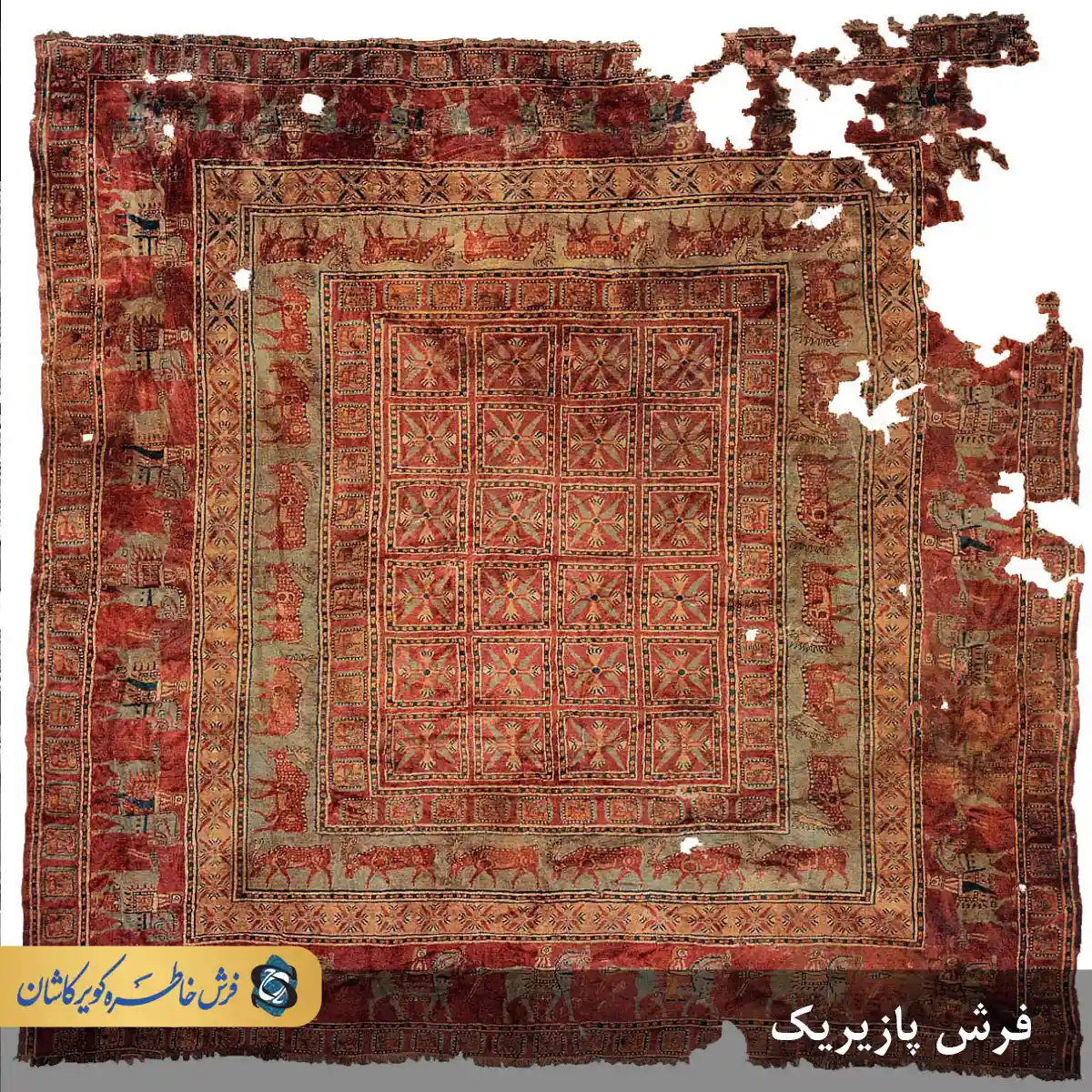
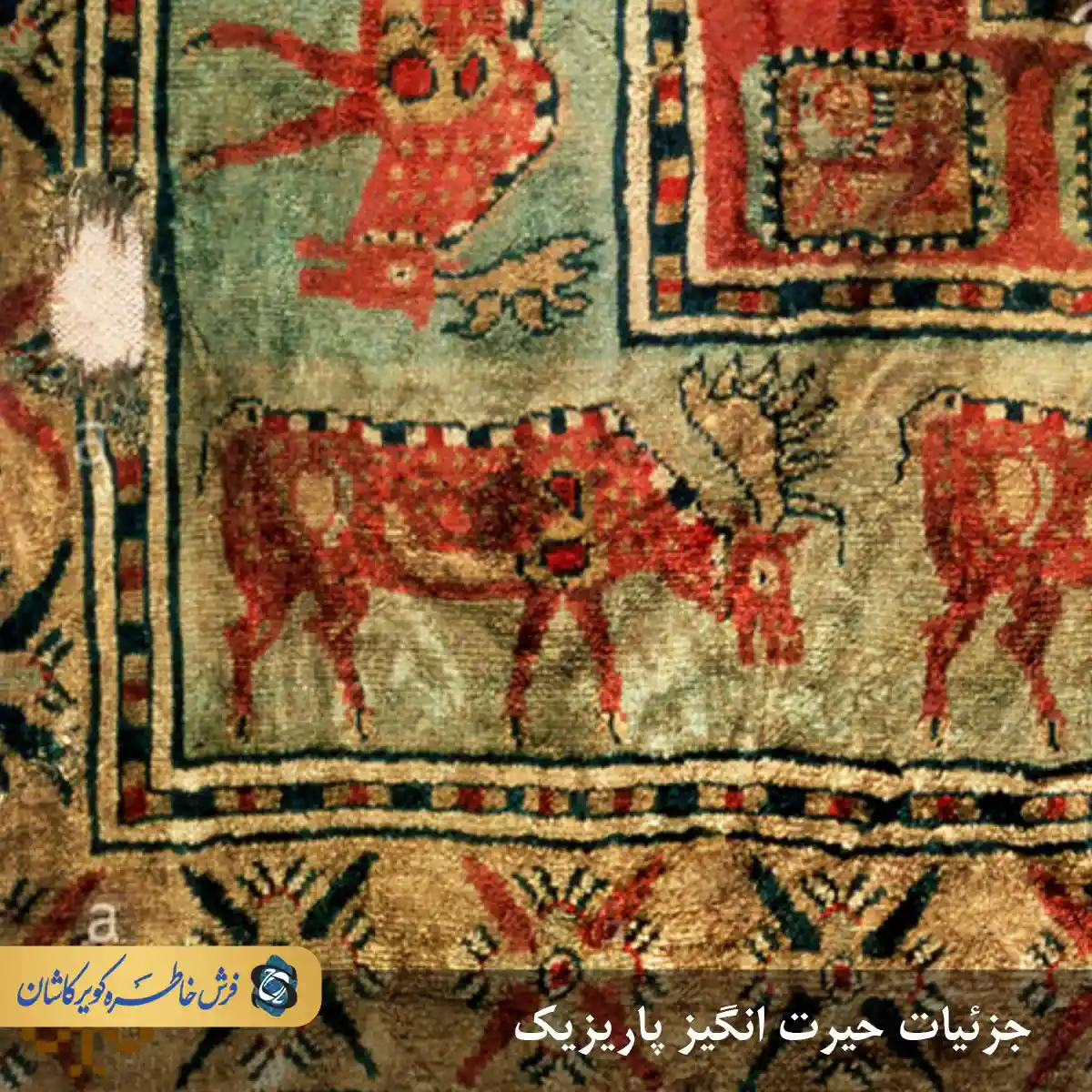
One of the most important archaeological evidences related to carpets in the Achaemenid period is the Pazyryk carpet. This carpet, known as the oldest carpet in the world, was discovered in 1949 by Russian archaeologist Sergei Rudenko in the Pazyryk Valley in Siberia. The Pazyryk carpet, measuring 1.98 by 1.89 meters and featuring beautiful and intricate motifs of horsemen, grazing deer, and mythical animals, demonstrates the high art and skill of Achaemenid weavers.
The Pazyryk carpet is known as an Achaemenid work of art due to its motifs and designs similar to the reliefs of Persepolis. This carpet is woven using natural wool and dyes and has 3,600 knots per square meter, which indicates the high precision and elegance of the weavers of that period. As one of the honors of Iranian art, the Pazyryk carpet is kept in the Hermitage Museum in Russia and is still known as a symbol of the ancient art and culture of Iran.
در تصویر زیر می توانید قلب، آئورت، معده، روده، ستون فقرات حیوان را تشخیص دهید!
Carpets in the Sasanian Period
During the Sasanian period, the art of carpet weaving reached its peak, and one of its most prominent examples is the Baharestan carpet or the Zumourdin Khosrow carpet. This carpet, which was woven by order of the Sasanian king Khosrow Parviz, was considered a symbol of the glory and majesty of the Sasanian Empire. The Baharestan carpet, with its very large dimensions and unique design, depicted images of spring gardens and colorful flowers. This carpet was woven from gold, silver, silk and precious stones and was located in the palace of Khosrow Parviz as one of the great treasures of Iranian art.
The Baharestan carpet of Khosrow combines diplomacy and luxury
The Baharestan carpet was used not only as a luxurious work of art but also as a diplomatic tool. During the Sasanian era, it was common to give exquisite carpets to kings and heads of other countries as valuable gifts and symbols of respect and friendship. These carpets, with their beautiful patterns and designs, represented the high art and culture of Iran and had a significant impact on strengthening diplomatic and political relations. For example, sending exquisite carpets to the emperors of Rome and China reflected the power and grandeur of the Sasanian Empire.
The role of carpets in the Sasanian period was not limited to luxury and diplomacy, but was also a part of people's daily lives. Sasanian carpets, with diverse motifs such as animals, plants and mythical images, reflected the beliefs and convictions of the people of that period. Using the best materials and intricate textures, these carpets demonstrated the high art and skill of Sasanian weavers. In general, carpets played an important role in Iranian art, culture and diplomacy during the Sasanian period and were recognized as one of the symbols of the national identity and pride of this land.
Carpets in the Islamic Period
In the Islamic period, the art of carpet weaving was influenced by Islamic teachings, and significant changes occurred in the designs and patterns of carpets. Since Islam forbade the depiction of humans and animals in religious art, artists began to create geometric patterns, flowers, and plants. These changes not only meant adapting to religious teachings, but also led to a greater evolution and diversity in the art of carpet weaving. Islamic motifs, repeating geometric patterns, and symmetrical designs are recognized as prominent features of Islamic period carpets.
این فرش با 133 متر طول و 41 متر عرض بزرگترین فرش جهان شناخته می شود. 2.2 میلیارد گره و 38 تن پشم و پنبه!
Carpets in Mosques and Religious Places
One of the most important uses of carpets in the Islamic period was their use in mosques and religious places. Beautiful Carpets And woven with unparalleled care and art, they were used as a symbol of holiness and respect for religious places. Carpets in mosques as places of prayer and worship not only added beauty and splendor to these places, but also helped create a peaceful and spiritual atmosphere for worshipers. For example, the Grand Mosque of Isfahan and the Sheikh Lotfollah Mosque had exquisite carpets that gave a special look to these historical monuments.
In addition to religious and geometric patterns, carpets of the Islamic period had diverse and natural colors that referred to the meaning of life and nature. The use of different colors was considered a symbol of unity and harmony in Islamic art. In general, the carpet in the Islamic period had a special place not only as a valuable handicraft, but also as a sacred and spiritual element in the life of Muslims and became a symbol of Islamic culture and art.
The Flourishing of Iranian Carpets in the Safavid Era
Shah Abbas the Great, with his intelligent and far-sighted policies, brought about a great revolution in the art of carpet weaving in Iran. By establishing royal workshops in various cities such as Isfahan, Tabriz and Kashan, he paved the way for the growth and development of this unique art. These workshops were not only places where exquisite and precious carpets were produced, but also a place for the education and training of new generations of skilled artists and weavers. Shah Abbas's efforts to revive this art were, in a way, a revival of Iran's glory and greatness in the field of art and culture.
Iranian Silk and Gold-Woven Carpets
Silk and gold-woven carpets, which reached their peak during the Safavid era, were considered a symbol of Iranian art and luxury. These carpets were woven with the finest raw materials, including pure silk and gold threads, and with unparalleled precision and elegance. The intricate and beautiful designs and patterns of these carpets reflected the artistic taste and endless creativity of the Safavid weavers. Silk and gold-woven carpets not only adorned palaces and holy places, but also became a symbol of Iran's power and greatness as precious gifts to kings and foreign ambassadors.
Designs and symbols of the Safavid period
During the Safavid period, the art of carpet weaving reached its peak and various designs and symbols were used during this period. The bergamot and salimani motifs, which are usually seen as the central core of carpet design, are associated with stunning complexity and beauty, and display harmony and balance by repeating geometric patterns and curved lines. In addition, the animal and plant motifs that were very popular during this period were inspired by nature and were artistically incorporated into the designs of the carpets. These motifs included images of birds, deer, and various flowers and plants that added to the beauty and richness of the designs of Safavid carpets. This unique artistic combination has turned Safavid carpets into unique works of art that are admired all over the world.
Carpets in the Qajar Period
Revival of Carpet Weaving Traditions in the Qajar Period
During the Qajar period, the art of carpet weaving received special attention as one of the important cultural and economic pillars of Iran. By reviving the ancient traditions of carpet weaving and strengthening this art, the Qajars played an important role in preserving and promoting this industry. By supporting weavers and establishing new workshops, they created conditions for the art of carpet weaving to emerge from the recession and flourish.
One of the important measures taken by the Qajars to support weavers was to focus on rural weavers. This support included providing quality raw materials, technical training, and appropriate payments to weavers. With this support, rural weavers, who were generally from low-income households, were able to produce high-quality carpets with unique designs that were offered to domestic and foreign markets. This support not only improved the economic situation of rural weavers but also helped strengthen and expand the art of carpet weaving in different regions of Iran.
Gabbeh and Kilim Carpets
During the Qajar period, Gabbeh and Kilim carpets also found a special place among Iranian handicrafts. Gabbehs, with their simple and primitive designs and the use of thick and soft wool, were known as one of the symbols of native and rural art. These carpets had a special look with their free and improvised patterns inspired by everyday life and nature. Kilims, with their simpler texture and the use of natural fibers and plant dyes, were also considered one of the most popular types of carpets of the Qajar period. These carpets, with their geometric designs and repeating patterns, displayed a unique art that still has a special place in Iranian art and culture.
Foreign Influences on Iranian Carpets
The Entry of European Designs
During the Qajar period and thereafter, with the increase in Iran's contacts and interactions with European countries, various cultural and artistic influences entered the country. One of these influences was the entry of European designs and patterns into the art of Iranian carpet weaving. European designs, using floral patterns, natural and artistic motifs, and even some Baroque and Rococo elements, gave a new flavor and flavor to Iranian carpets. These influences not only increased the variety of designs and patterns in Iranian carpets, but also made this art more in line with the new needs and tastes of global markets and helped to develop the export of Iranian carpets.
Changes in Dyeing
Another foreign influence on Iranian carpets was the changes in dyeing and the use of chemical dyes that came with the introduction of new dyes to Iran. Before this period, the dyes used in Iranian carpets were mainly extracted from natural sources such as plants and minerals. However, with the introduction of chemical dyes from Europe, Iranian weavers gradually turned to using these dyes, which increased the variety and durability of colors in carpets. These changes not only helped to increase the quality and beauty of Iranian carpets, but also responded to the needs of foreign markets that wanted carpets with more vibrant and lasting colors.
Iranian Carpets in the Modern Era
Challenges of the Carpet Industry
In the modern era, one of the main challenges for the hand-woven carpet industry is the fierce competition with machine-made carpets. Machine-made carpets are produced quickly and at a lower cost using advanced technologies and automatic machines. These carpets have been able to find a significant place in the domestic and foreign markets due to their lower price and variety of designs and colors. This situation has reduced the demand for hand-made carpets and has faced traditional weavers with serious challenges. However, hand-made carpets still have a special value and importance due to their high quality, artistry, and unique originality, and efforts are ongoing to preserve and promote this ancient art.
Impact of International Sanctions on Iranian Carpets
International sanctions are another major challenge for the Iranian carpet weaving industry in the modern era. These sanctions have placed restrictions on the export of Iranian carpets to global markets and have reduced the income and prosperity of this industry. Because of this Due to the restrictions, Iranian carpet weavers and manufacturers have faced economic difficulties and reduced sales. However, efforts to find new markets and use new marketing methods, including online sales and digital advertising, continue to compensate for these negative effects. Also, focusing on improving quality and innovative designs can help preserve and expand this valuable art on a global scale.
Using Natural Dyes in the Modern World of Carpet Weaving
In the modern world of carpet weaving, the return to the use of natural dyes is one of the notable innovations. Natural dyes extracted from plants, minerals and other natural resources not only help preserve the environment but also give carpets a special beauty and originality. Due to their high stability and durability, these dyes do not lose their effect over time and add attraction and added value to Iranian handmade carpets. By combining these colors and using new techniques, modern weavers produce carpets with diverse and attractive designs that are in harmony with both modern tastes and ancient originalities.
Combining Traditional and Modern Designs
Another important innovation in the design and production of Iranian carpets is the combination of traditional designs with modern elements. This approach not only helps to preserve and continue the ancient traditions of carpet weaving, but also attracts new audiences and increases sales of these works of art. Artists and designers, inspired by traditional motifs such as bergamot, salimani, and Shah Abbasi flowers and combining them with modern patterns and colors, create unique and creative carpets. This artistic combination gives a new and pleasant look to Iranian carpets and harmonizes this ancient art with contemporary needs and desires.
The Place of Iranian Carpets in World Museums
Iranian carpets have a special place in the world's leading museums due to their unique art and rich history. These carpets are exhibited as unique examples of Iranian art and culture in museums such as the Metropolitan Museum of Art in New York, the Louvre Museum in Paris, the Victoria and Albert Museum in London, and the Museum of Islamic Art in Doha. Each of these carpets, with their unique designs and beautiful colors, reflects the taste and flair of Iranians throughout the centuries. Displaying these works of art in prestigious museums not only helps to better understand Iranian art but also helps to preserve and enhance Iran's cultural position on a global level.
International Collectors
International collectors, as enthusiasts and supporters of Iranian carpet art, also play an important role in promoting and preserving this art. By collecting and preserving exquisite and historical carpets, these collectors are considered cultural ambassadors of Iran around the world. Iranian carpets with diverse designs and high quality are always the focus of international collectors and are kept as precious works of art in private and public collections. By purchasing and displaying Iranian carpets in international exhibitions and events, these collectors help introduce and promote the art of Iranian carpet weaving and show the value and importance of these works to the world.
Symbols and Hidden Art in Iranian Carpets
Patterns and Designs
Berry: A Symbol of Unity
The berry, one of the prominent designs used in Iranian carpets, is a symbol of unity and integrity. This pattern, which is generally placed in the center of the carpet, is associated with harmony and balance in Iranian art with a geometric and symmetrical shape. As the central core of the carpet design, the bergamot represents the unity and coherence of the various parts of the carpet, which are skillfully connected to each other.
Aslimi: The embodiment of the flow of life
The Aslimi pattern, with its curved and continuous lines, is a symbol of the flow of life and dynamism in the art of Iranian carpet weaving. These patterns, which are often intertwined in a twist and turn, reflect the constant movement and changes in nature and human life. With the artistic combination of curved lines, Aslimi creates an embodiment of fluidity and the flow of life in the carpets.
Bateh-jaqeh: A sign of resistance
Bateh-jaqeh is one of the popular and well-known motifs in Iranian carpets, interpreted as a sign of resistance and perseverance. This pattern, which has a shape similar to a flame of fire or a bent cypress, expresses resistance and stability in the face of adversity and hardship. With its curved and intricate appearance, the bateh-jaqeh is considered an artistic symbol of strength and resistance in Iranian carpets.
Colors and their meanings
Red: Love and Courage
The color red in Iranian carpets is a symbol of love and courage. This energetic and passionate color expresses deep and passionate human emotions and has been used throughout history as a sign of endless affection and sacrifice. In Iranian carpets, the use of red, especially in patterns and borders, gives the designs an amazing and emotional effect.
Blue: Sky and Spirituality
The color blue in Iranian carpets is known as a symbol of sky and spirituality. This soothing and pleasant color evokes the connection of man with the higher and sacred world. Blue, as a color that enhances spiritual feelings and inner peace, is used in Iranian carpet designs and is considered a symbol of the connection between man and the heavenly realm.
Green: Resurrection and Heaven
The color green in Iranian carpets is a symbol of resurrection and heaven. This color, which brings to mind feelings of hope and renewal due to its direct connection with nature and life, is considered a sacred and life-giving color in Iranian culture. Green is used in Iranian carpet designs as a sign of the return of life and regrowth, and displays a manifestation of heaven and divine peace in these works of art.
Iranian Carpet In World Culture and Art
The Impact of Carpets on Global Design
Inspiring Interior and Fashion Designers
Iranian carpets, with their unique designs and patterns, have always been a source of inspiration for many interior and fashion designers around the world. These works of art, with their special beauty and elegance, allow designers to create amazing and attractive spaces. The combination of vibrant and harmonious colors with artistic and complex patterns allows designers to add Iranian cultural and artistic elements to their modern designs. Many famous fashion designers have also used the designs and patterns of Iranian carpets in the design of their clothes and accessories, which is a sign of the endless and global influence of the art of Iranian carpet weaving.
Using Iranian motifs in modern decoration
Iranian motifs used in traditional carpets have now found their place in modern decoration as well. By repeating geometric patterns, flowers, and plants, these motifs allow interior designers to create a harmonious and beautiful space that is a combination of tradition and modernity. Using these designs in interior decoration not only gives modern spaces an artistic and unique look, but also establishes a connection between the past and the present. These motifs are used in various fields such as wall coverings, flooring, upholstery fabrics, and even decorative accessories, introducing the beauty and authenticity of Iranian art to the contemporary world.
Ardabil Carpet at the Victoria and Albert Museum
The Ardabil Carpet is one of the most important and valuable works of art in Iran, which is kept in the Victoria and Albert Museum in London. This carpet, which dates back to the 16th century and the Safavid era, is considered one of the masterpieces of Iranian carpet weaving art with its large dimensions and unique design. The Ardabil carpet, with its geometric and floral motifs, especially the bergamot and bergamot designs, and the use of vivid and natural colors, has given this work of art an amazing appearance. This carpet is not only known as a symbol of Iranian art and culture, but is also exhibited as one of the great treasures of the Victoria and Albert Museum and is admired by visitors.
Persian Carpets in the Louvre and the Metropolitan Museum
Iranian carpets also have a special place in prestigious museums in the world, including the Louvre Museum in Paris and the Metropolitan Museum in New York. With their diverse and complex designs and patterns, these carpets are a symbol of the rich art and culture of Iran. In the Louvre Museum, exquisite Iranian carpets dating back to different historical periods are exhibited and introduce visitors to the beauty and splendor of Iranian art. Also at the Metropolitan Museum, Iranian carpets, as part of the Islamic art collections, demonstrate the taste and skill of Iranian weavers. These carpets are woven with unparalleled precision and elegance using the best natural materials and dyes, and as unique works of art, they have special value and importance in museums around the world.
The Future of the Iranian Carpet Industry
Challenges and Opportunities
Competition with Machine-Woven Carpets
One of the major challenges for the hand-woven carpet industry in Iran is the fierce competition with machine-made carpets. These carpets are mass-produced using advanced technologies, which reduces costs and increases production speed. Machine-made carpets, with their diverse designs and colors and lower prices, have been able to capture a large share of the market. This situation has faced traditional weavers with serious economic problems. But the artistic value and authenticity of handmade carpets still maintain their place and are considered unique and one-of-a-kind works of art.
Innovation in Design and Production
In the face of challenges, there are also new opportunities for the Iranian carpet weaving industry. One of these opportunities is innovation in carpet design and production. Using new weaving techniques, combining traditional and modern designs, and using natural colors can help attract new audiences and increase sales. Also, trying to create unique and creative designs that are in harmony with both modern tastes and ancient originalities can help increase the value and appeal of Iranian carpets. Using new technologies and new marketing methods can also help improve and develop this industry. In general, considering the history and artistic value of Iranian carpets, the future of this industry can be bright and promising by relying on innovation and creativity.
Supporting Weavers
One of the key solutions to preserving the art of carpet weaving is financial and technical support for weavers. Providing quality raw materials, financial facilities, and suitable sales markets can help improve economic conditions and increase weavers' motivation. Also, establishing specialized workshops and centers to train and improve weavers' skills can help strengthen this ancient art and prevent a decline in product quality. With appropriate support for weavers, it is possible to help preserve and develop the art of carpet weaving and enhance its position in domestic and global markets.
Educating New Generations
Educating new generations is another effective solution to preserving and promoting the art of carpet weaving. Creating educational programs in schools and universities, holding practical workshops, and specialized training courses can help introduce new generations to this valuable art and interest them. Also, encouraging young people to learn and practice the art of carpet weaving can help transfer this cultural heritage to future generations. By educating and training new generations, we can preserve and promote the art of Iranian carpet weaving and ensure a bright future for this valuable industry.
Main Carpet Weaving Centers
Carpet weaving in Iran has several centers, each known for its unique characteristics. Here we will examine some of the main carpet weaving centers in Iran:
Isfahan
A Blend of Iranian Nature and Culture
Isfahan, one of the most important carpet weaving centers in Iran, with an ancient history and unique works of art, has always been of interest to art lovers and researchers. Isfahan carpets are known for their delicate and intricate designs, patterns inspired by Iranian nature and culture, and the use of vivid and natural colors, especially azure blue. Isfahan weavers create small and regular knots in these carpets with great precision and skill, resulting in carpets of high quality and durability.
Tabriz
The City of Finely Woven Carpets
Tabriz, another important carpet weaving center in Iran, with a long history and exquisite works of art, has a special place in the world of carpet weaving art. Tabriz carpets are known for their diverse designs and patterns, including geometric designs and Shah Abbasi flowers, and their use of warm and diverse colors. Using the best materials and advanced techniques, Tabrizi weavers produce high-quality carpets with unique designs that are also welcomed in global markets.
Kashan
The Center of Exquisite Carpets
Kashan, a city with a long history in the art of carpet weaving, is especially famous for the production of silk and marigold carpets. Kashan carpets are known for their floral designs and delicate and artistic patterns, especially Shah Abbasi flowers and bergamot. Kashan weavers use soft silks and natural dyes with great precision and sensitivity, resulting in carpets with a delicate texture and brilliant colors. These carpets have many fans not only in Iran but also in global markets.
Mashhad
Special and Magnificent Carpets
Mashhad, as one of the important religious and cultural centers of Iran, is also active in the field of carpet weaving. Mashhad carpets are known for their religious designs inspired by holy places, especially the shrine of Imam Reza (AS). The dominant colors in these carpets are red, blue, and cream, which give these works a special and magnificent appearance. Mashhad weavers produce high-quality and durable carpets with high precision and skill that are welcomed in domestic and foreign markets.
Kerman
Stunning Garden and Hunting Ground Designs
Kerman, another important center of carpet weaving in Iran, is known for its richly patterned carpets and intricate designs, especially garden and hunting ground designs. Diverse and brilliant colors, including red, blue, and green, are used in these carpets, which give these works of art a special and beautiful appearance. Using the best materials and advanced techniques, Kermani weavers produce high-quality carpets with unique designs that are also welcomed in global markets.
Each of these centers, with its own unique characteristics, plays an important role in preserving and promoting the art of Iranian carpet weaving and is recognized as a symbol of the history, culture, and art of this land.
Qom
Unparalleled Elegance
Qom, a city with a rich religious and cultural history, also holds a special place in the field of carpet weaving. Qom carpets are especially known for their use of fine silks and precise and delicate patterns. Qom carpet designs usually include floral and plant motifs, bergamot, and geometric designs that are woven with great precision and art by Qom weavers. The colors used in these carpets mainly include vibrant and natural colors such as red, blue, and gold, which give them a special and pleasant appearance.
Qom carpets are always appreciated and welcomed in domestic and foreign markets due to their high quality and unique designs.
Each of these centers, with their unique characteristics, play a vital role in preserving and promoting the art of Iranian carpet weaving, and are recognized as symbols of the history, culture, and artistry of this land.
Iranian Carpet as a Cultural Heritage
The Iranian carpet, as one of the most significant cultural heritages of Iran, reflects the history, art, and culture of this land. These artistic creations, woven with unmatched precision and skill, symbolize the authenticity and artistic ingenuity of Iranians throughout centuries. Iranian carpets, with their unique designs and patterns, continue to hold a prestigious position in museums and art collections worldwide, serving as cultural ambassadors of Iran across the globe.
The Necessity of Preserving and Developing Carpet Weaving Art
Preserving and developing the art of Iranian carpet weaving holds significant importance. Financial and technical support for weavers, creating suitable markets, training new generations, and innovating in design and production can greatly contribute to sustaining and enhancing this art. Such efforts not only help safeguard Iran's cultural heritage but also improve the economic conditions of weavers and promote the growth of the carpet industry. Emphasizing the quality and authenticity of handmade Iranian carpets can strengthen the position of this art in global markets.
The Future Vision of Iranian Carpets
Given the rich history and artistic value of Iranian carpets, the future of this industry can be bright and promising with a focus on innovation and creativity. Addressing challenges such as competition with machine-made carpets and international sanctions requires continuous efforts and dedicated support. By enhancing quality, using high-grade materials, and emphasizing unique designs, it is possible to attract new audiences and increase demand for Iranian carpets. A future where the art of Iranian carpet weaving continues to be recognized as one of the most important and valuable handicrafts in the world, admired and respected as a symbol of Iran's culture and national identity.
One notable innovation in this field is the production of 1600-reed silk carpets by Khatereh Kavir Kashan, manufactured by Kavir Nakh Kashan. These carpets represent a blend of traditional and modern designs, crafted with high-quality materials and advanced techniques to produce durable and high-standard carpets. Such efforts not only preserve and promote the art of Iranian carpet weaving but also enhance the industry's position in global markets.
Iranian Carpet: A Timeless Heritage
The Iranian carpet is a legacy that has emerged from the depths of history and has now become a global symbol. This art is not merely a commodity but a narrative of the cultural resilience of a nation that has woven its history with thread and color. In the future, preserving this art requires support for weavers, innovation in design, and introducing it to new generations. Like a flowing river, the Iranian carpet carries its legacy from the past to eternity.
One thought on “History of the Iranian Carpet: A Mirror of the Culture and Art of a Nation”
Leave a Reply Cancel reply
تاریخچه فرش ایرانی

فرش در فرهنگ ایرانی، نه تنها یک کالای کاربردی، بلکه نمادی از هنر، اصالت و هویت ملی است. از دیرباز، فرشهای دستباف ایرانی با نقشها و رنگهای منحصر به فرد، روایتگر داستانهایی از طبیعت، تاریخ و اعتقادات مردم این سرزمین بودهاند. هر گره و هر طرح، حاصل ساعتها تلاش و خلاقیت هنرمندانی است که با نخ و رنگ، فرهنگ و هنر ایران را به جهانیان معرفی میکنند. فرش ایرانی، همچون آینهای تمامنما، زیباییها و غنای فرهنگی ایران را به نمایش میگذارد و به عنوان میراثی ارزشمند، از نسلی به نسل دیگر منتقل میشود.
ریشههای تاریخی فرش ایرانی
فرش ایرانی، نمادی از هنر و فرهنگ کهن ایرانزمین، تاریخچهای پربار و پررمز و راز دارد. از دوران باستان تا به امروز، این هنر دستساز بازتابدهندهی تاریخ، فرهنگ و حتی مذهب مردم ایران بوده است. اولین نشانههای فرشبافی در ایران به دورههای هخامنشیان و اشکانیان بازمیگردد، زمانی که هنر فرشبافی به یک هنر پیشرفته و ارزشمند تبدیل شد.
فرش ایرانی، نه تنها بهعنوان یک زیرانداز بلکه بهعنوان یک اثر هنری بیبدیل، همواره در خانهها و کاخهای ایرانیان جایگاه ویژهای داشته است. نقوش و طرحهای گوناگون این فرشها از طبیعت، افسانهها، ادبیات و حتی باورهای مذهبی الهام گرفتهاند. این فرشها، با استفاده از بهترین مواد و رنگهای طبیعی، با دقت و ظرافت بینظیری بافته میشوند که هر کدام داستانی منحصر به فرد را روایت میکند.
این مقدمهای است برای ورود به دنیای شگفتانگیز و پرفراز و نشیب فرش ایرانی، دنیایی که هر گره و هر نخ آن گواهی بر اصالت و هنر بیهمتای این سرزمین است.
فرش در دوره هخامنشیان
در دوره هخامنشیان، فرشبافی به عنوان یکی از هنرهای برجسته و مهم مورد توجه قرار گرفت. شواهد باستانشناسی نشان میدهد که استفاده از فرش در این دوره بسیار رایج بوده است. آثار باستانی و مستندات تاریخی بیانگر وجود فرشهای باشکوه در دربار هخامنشیان است. به عنوان مثال، گفته میشود که اسکندر مقدونی با مشاهده فرشهای باشکوه ایرانی در پاسارگاد، متعجب شد و به وجد آمد. این شواهد نشان میدهد که فرشبافی در دوره هخامنشیان به عنوان یک هنر ارزشمند و تجملی مورد توجه بوده است.
فرش پازیریک: قدیمیترین فرش جهان
یکی از مهمترین شواهد باستانشناسی مربوط به فرش در دوره هخامنشیان، فرش پازیریک است. این فرش که به عنوان قدیمیترین فرش جهان شناخته میشود، در سال ۱۹۴۹ توسط سرگی رودنکو، باستانشناس روسی، در دره پازیریک واقع در سیبری کشف شد. فرش پازیریک با ابعاد ۱٫۹۸ در ۱٫۸۹ متر و نقشهای زیبا و پیچیدهای که شامل تصویر سوارکاران، آهوهای در حال چرا کردن و جانوران افسانهای است، نشاندهنده هنر و مهارت بالای بافندگان هخامنشی است.
فرش پازیریک به دلیل نقوش و طرحهای مشابه با نقش برجستههای تخت جمشید، به عنوان یک اثر هنری هخامنشی شناخته میشود. این فرش با استفاده از پشم و رنگهای طبیعی بافته شده و دارای ۳۶۰۰ گره در هر متر مربع است که نشاندهنده دقت و ظرافت بالای بافندگان آن دوره است. فرش پازیریک به عنوان یکی از افتخارات هنر ایرانی، در موزه آرمیتاژ روسیه نگهداری میشود و همچنان به عنوان نمادی از هنر و فرهنگ کهن ایرانزمین شناخته میشود.
فرش در دوره ساسانیان
در دوره ساسانیان، هنر فرشبافی به اوج شکوفایی خود رسید و یکی از شاخصترین نمونههای آن فرش بهارستان یا فرش زمردین خسرو است. این فرش که به دستور خسرو پرویز، پادشاه ساسانی، بافته شده بود، نمادی از شکوه و عظمت امپراتوری ساسانیان به شمار میرفت. فرش بهارستان با ابعاد بسیار بزرگ و طراحی بینظیر خود، تصاویری از باغهای بهاری و گلهای رنگارنگ را به تصویر میکشید. این فرش از جنس طلا، نقره، ابریشم و سنگهای قیمتی بافته شده بود و به عنوان یکی از گنجینههای بزرگ هنر ایرانی، در کاخ خسرو پرویز قرار داشت.
فرش بهارستان خسرو
ترکیب دیپلماسی و تجمل
فرش بهارستان نه تنها به عنوان یک اثر هنری تجملی بلکه به عنوان یک ابزار دیپلماتیک نیز مورد استفاده قرار میگرفت. در دوران ساسانیان، اهدای فرشهای نفیس به پادشاهان و سران کشورهای دیگر به عنوان هدیهای ارزشمند و نمادی از احترام و دوستی، رایج بود. این فرشها با نقشها و طرحهای زیبا، نشاندهندهی هنر و فرهنگ بالای ایران بودند و تاثیر بسزایی در تقویت روابط دیپلماتیک و سیاسی داشتند. به عنوان مثال، فرستادن فرشهای نفیس به امپراتوران روم و چین، بیانگر قدرت و عظمت امپراتوری ساسانی بود.
نقش فرش در دوره ساسانیان فقط محدود به تجمل و دیپلماسی نبود بلکه بخشی از زندگی روزمرهی مردم نیز به شمار میرفت. فرشهای ساسانی با نقوش متنوعی مانند حیوانات، گیاهان و تصاویر افسانهای، بازتابدهندهی اعتقادات و باورهای مردم آن دوره بودند. این فرشها با استفاده از بهترین مواد و بافتهای پیچیده، نشاندهندهی هنر و مهارت بالای بافندگان ساسانی بودند. به طور کلی، فرش در دوره ساسانیان نقش مهمی در هنر، فرهنگ و دیپلماسی ایران ایفا میکرد و به عنوان یکی از نمادهای هویت و افتخار ملی این سرزمین شناخته میشد.
فرش در دوره اسلامی
در دوره اسلامی، هنر فرشبافی تحت تأثیر آموزههای اسلامی قرار گرفت و تغییرات قابل توجهی در طرحها و نقشهای فرشها به وجود آمد. با توجه به اینکه اسلام تصاویر انسان و حیوانات را در هنرهای مذهبی ممنوع کرده بود، هنرمندان به خلق نقوش هندسی، گلها و گیاهان پرداختند. این تغییرات نه تنها به معنای تطبیق با آموزههای مذهبی بود، بلکه به نوعی باعث تکامل و تنوع بیشتر در هنر فرشبافی نیز شد. نقوش اسلیمی، تکرار الگوهای هندسی و طراحیهای متقارن به عنوان ویژگیهای برجستهی فرشهای دوره اسلامی شناخته میشوند.
فرش در مساجد و اماکن مذهبی
یکی از مهمترین کاربردهای فرش در دوره اسلامی، استفاده از آنها در مساجد و اماکن مذهبی بود. فرشهای زیبا و بافته شده با دقت و هنر بینظیر، به عنوان نمادی از تقدس و احترام به اماکن مذهبی مورد استفاده قرار میگرفتند. فرشها در مساجد به عنوان محلهای نماز و عبادت، نه تنها باعث زیبایی و شکوه این اماکن میشدند، بلکه به ایجاد فضایی آرام و روحانی برای عبادتکنندگان کمک میکردند. به عنوان مثال، مسجد جامع اصفهان و مسجد شیخ لطفالله دارای فرشهای نفیسی بودند که به جلوهای خاص به این بناهای تاریخی میبخشیدند.
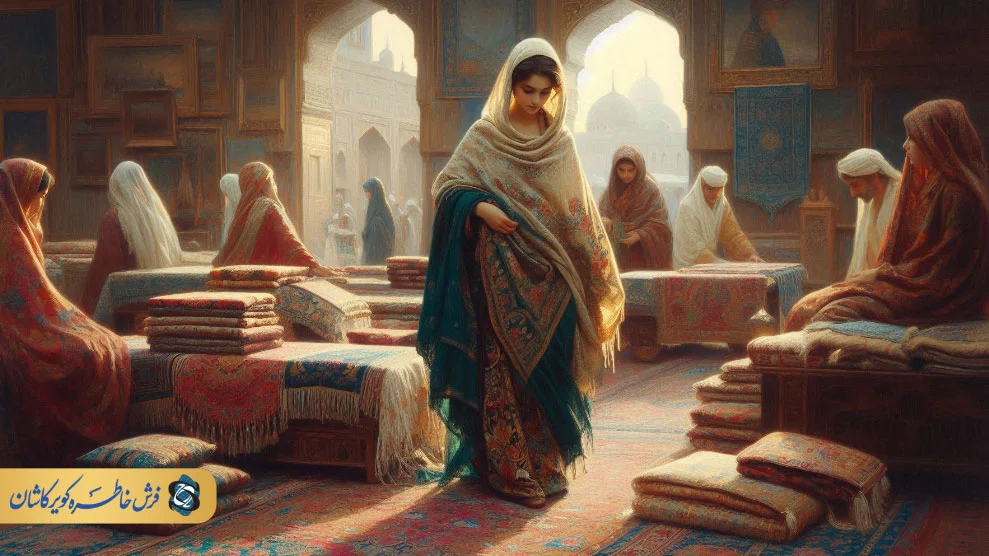
فرشهای دوره اسلامی علاوه بر نقشهای مذهبی و هندسی، دارای رنگهای متنوع و طبیعی بودند که به معنای زندگی و طبیعت اشاره داشتند. استفاده از رنگهای مختلف به عنوان نمادی از وحدت و هماهنگی در هنر اسلامی مطرح بود. به طور کلی، فرش در دوره اسلامی نه تنها به عنوان یک هنر دستی با ارزش، بلکه به عنوان عنصری مقدس و معنوی در زندگی مسلمانان جایگاه ویژهای داشت و به نمادی از فرهنگ و هنر اسلامی تبدیل شد.
شکوفایی فرش ایرانی در دوره صفویه
شاه عباس بزرگ، با سیاستهای هوشمندانه و دوراندیشی خود، انقلاب بزرگی در هنر فرشبافی ایران بهوجود آورد. او با تأسیس کارگاههای سلطنتی در شهرهای مختلف مانند اصفهان، تبریز و کاشان، زمینهی رشد و پیشرفت این هنر بیبدیل را فراهم کرد. این کارگاهها نهتنها محل تولید فرشهای نفیس و گرانبها بودند، بلکه مکانی برای آموزش و پرورش نسلهای جدیدی از هنرمندان و بافندگان ماهر نیز محسوب میشدند. تلاشهای شاه عباس در احیای این هنر، به نوعی احیای شکوه و عظمت ایران در عرصهی هنر و فرهنگ بود.
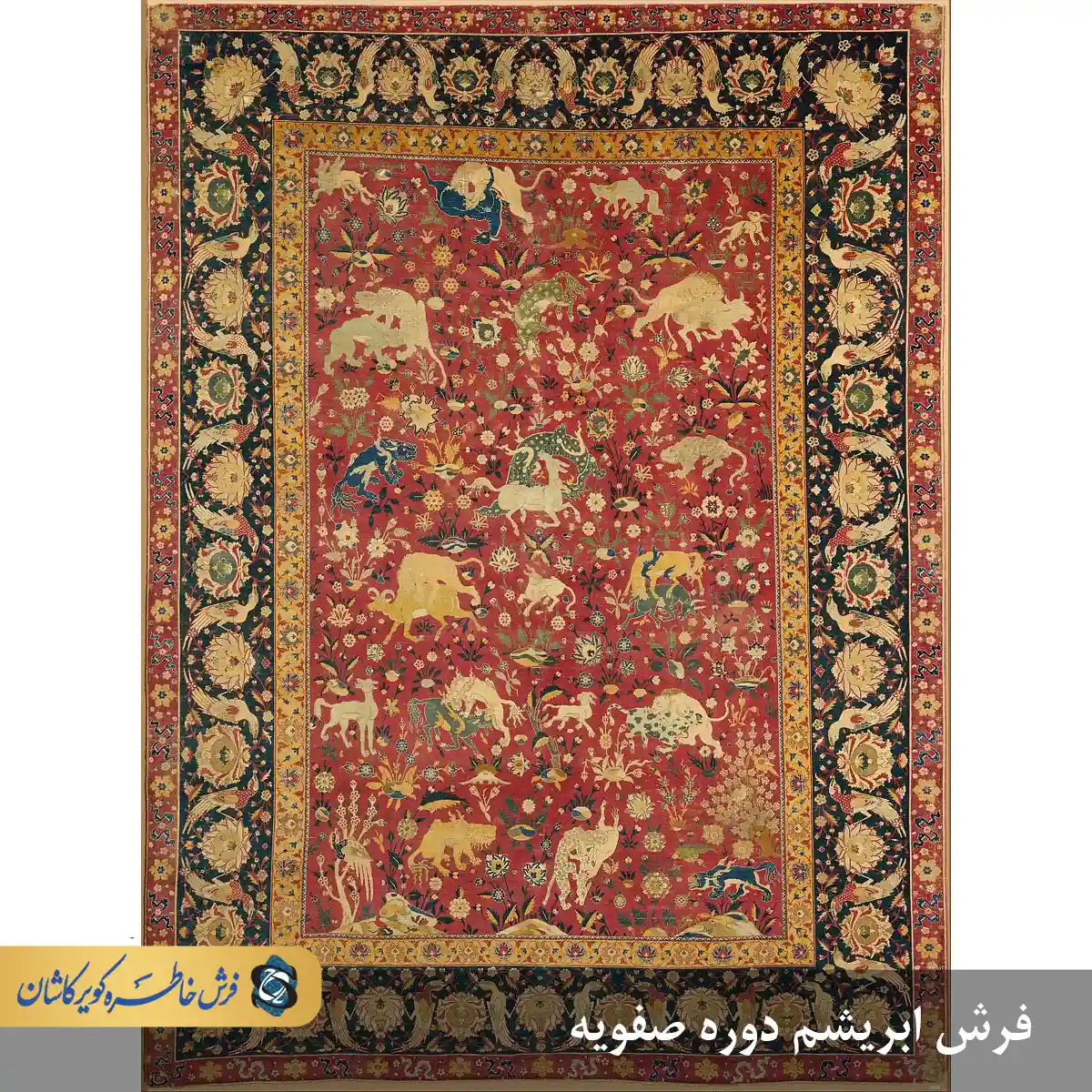
فرش ابریشمی و طلاباف ایرانی
فرشهای ابریشمی و طلابافت که در دورهی صفویه به اوج خود رسیدند، نمادی از هنر و تجمل ایرانی بهشمار میرفتند. این فرشها با استفاده از بهترین مواد اولیه، از جمله ابریشم خالص و نخهای طلا، و با دقت و ظرافت بینظیری بافته میشدند. طرحها و نقوش پیچیده و زیبای این فرشها، بازتابی از ذوق هنری و خلاقیت بیپایان بافندگان صفوی بود. فرشهای ابریشمی و طلابافت، نهتنها زینتبخش کاخها و اماکن مقدس بودند، بلکه به عنوان هدایای گرانبها به پادشاهان و سفیران خارجی، به نمادی از قدرت و عظمت ایران تبدیل شدند.
طرح ها و نمادهای دوره صفوی
در دوره صفوی، هنر فرشبافی به اوج شکوفایی خود رسید و طرحها و نمادهای متنوعی در این دوره بهکار گرفته شد. نقوش ترنج و اسلیمی، که معمولاً به عنوان هستهی مرکزی طراحی فرشها دیده میشوند، با پیچیدگی و زیبایی خیرهکنندهای همراه هستند و با تکرار الگوهای هندسی و خطوط منحنی، هماهنگی و توازن را بهنمایش میگذارند. علاوه بر این، نقشهای حیوانی و گیاهی که در این دوره محبوبیت زیادی داشتند، الهامگرفته از طبیعت بوده و بهطور هنرمندانه در طرحهای فرشها جای میگرفتند. این نقوش شامل تصاویری از پرندگان، آهوها و گلها و گیاهان مختلف بودند که به زیبایی و غنای طرحهای فرشهای صفوی میافزودند. این ترکیب هنری منحصر به فرد، فرشهای دوره صفوی را به آثار هنری بیهمتا و مورد تحسین در سراسر جهان تبدیل کرده است.
فرش در دوره قاجار
احیای سنتهای فرشبافی در دوره قاجار
در دوره قاجار، هنر فرشبافی به عنوان یکی از ارکان مهم فرهنگی و اقتصادی ایران مورد توجه ویژه قرار گرفت. قاجاریان با احیای سنتهای کهن فرشبافی و تقویت این هنر، نقش مهمی در حفظ و ارتقاء این صنعت داشتند. آنها با حمایت از بافندگان و ایجاد کارگاههای جدید، شرایطی را فراهم کردند که هنر فرشبافی از دوران رکود خارج شود و به شکوفایی برسد.
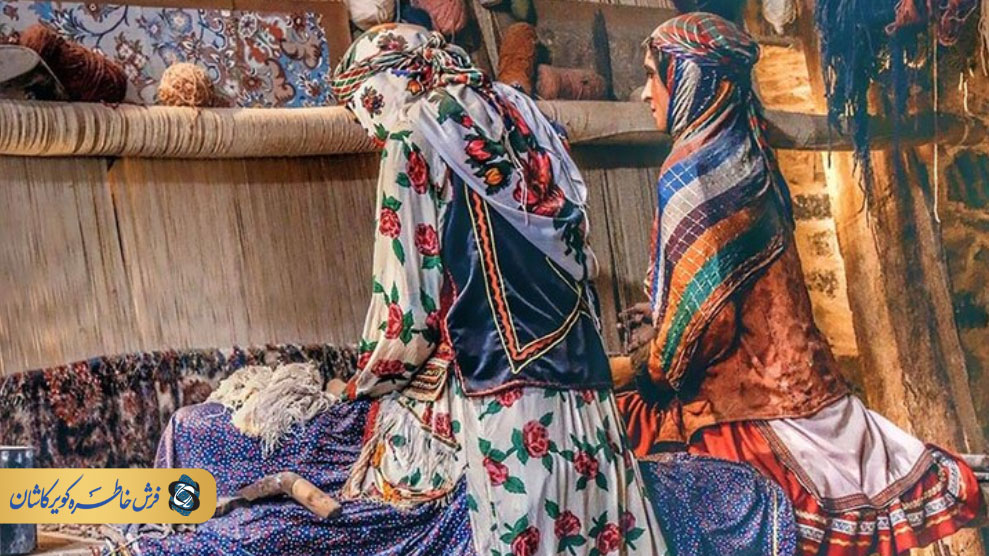
یکی از اقدامات مهم قاجاریان در جهت حمایت از بافندگان، تمرکز بر بافندگان روستایی بود. این حمایتها شامل ارائه مواد اولیه با کیفیت، آموزشهای فنی و پرداخت مناسب به بافندگان میشد. بافندگان روستایی که عموماً از خانوارهای کمبضاعت بودند، با دریافت این حمایتها، توانستند فرشهایی با کیفیت بالا و طرحهای منحصربهفرد تولید کنند که به بازارهای داخلی و خارجی عرضه میشد. این حمایتها نه تنها باعث بهبود وضعیت اقتصادی بافندگان روستایی شد بلکه به تقویت و گسترش هنر فرشبافی در مناطق مختلف ایران کمک کرد.
فرشهای گبه و گلیم
در دوره قاجار، فرشهای گبه و گلیم نیز جایگاه ویژهای در میان هنرهای دستی ایران پیدا کردند. گبهها با طرحهای ساده و ابتدایی و استفاده از پشمهای ضخیم و نرم، به عنوان یکی از نمادهای هنر بومی و روستایی شناخته میشدند. این فرشها با نقوشی آزاد و بداههپردازانه که الهام گرفته از زندگی روزمره و طبیعت بودند، جلوهای خاص به خود داشتند. گلیمها نیز با بافتی سادهتر و استفاده از الیاف طبیعی و رنگهای گیاهی، به عنوان یکی از محبوبترین انواع فرشهای دوره قاجار مطرح بودند. این فرشها با طرحهای هندسی و نقشهای تکرار شونده، هنری منحصر به فرد را به نمایش میگذاشتند که همچنان در هنر و فرهنگ ایران جایگاه ویژهای دارند.
تاثیرات خارجی بر فرش ایرانی
ورود طرحهای اروپایی
در دوره قاجار و پس از آن، با افزایش تماسها و تعاملات ایران با کشورهای اروپایی، تأثیرات فرهنگی و هنری مختلفی به داخل کشور راه یافتند. یکی از این تأثیرات، ورود طرحها و الگوهای اروپایی به هنر فرشبافی ایرانی بود. طرحهای اروپایی با استفاده از الگوهای گلدار، نقوش طبیعی و هنری و حتی برخی عناصر باروک و روکوکو، به نوعی به فرشهای ایرانی رنگ و بویی جدید بخشیدند. این تأثیرات نه تنها باعث تنوع بیشتر در طرحها و نقشهای فرشهای ایرانی شد، بلکه این هنر را با نیازها و سلیقههای جدید بازارهای جهانی هماهنگتر کرد و به نوعی به توسعه صادرات فرشهای ایرانی کمک نمود.
تغییرات در رنگآمیزی
یکی دیگر از تأثیرات خارجی بر فرش ایرانی، تغییرات در رنگآمیزی و استفاده از رنگهای شیمیایی بود که با ورود مواد رنگزای جدید به ایران، بهوجود آمد. قبل از این دوره، رنگهای مورد استفاده در فرشهای ایرانی عمدتاً از منابع طبیعی مانند گیاهان و مواد معدنی استخراج میشدند. اما با ورود رنگهای شیمیایی از اروپا، بافندگان ایرانی به تدریج به استفاده از این رنگها روی آوردند که باعث افزایش تنوع و دوام رنگها در فرشها شد. این تغییرات نه تنها به افزایش کیفیت و زیبایی فرشهای ایرانی کمک کرد، بلکه به نوعی پاسخگوی نیازهای بازارهای خارجی نیز بود که خواهان فرشهایی با رنگهای زندهتر و ماندگارتر بودند.
فرش ایرانی در عصر مدرن
چالشهای صنعت فرش
در عصر مدرن، یکی از چالشهای اساسی صنعت فرشبافی دستی، رقابت شدید با فرش ماشینی است. فرشهای ماشینی با استفاده از فناوریهای پیشرفته و دستگاههای اتوماتیک، به سرعت و با هزینهی کمتر تولید میشوند. این فرشها به دلیل قیمت پایینتر و تنوع طرحها و رنگها، توانستهاند جایگاه قابل توجهی در بازارهای داخلی و خارجی پیدا کنند. این وضعیت، موجب کاهش تقاضا برای فرشهای دستی شده و بافندگان سنتی را با چالشهای جدی مواجه کرده است. با این حال، فرشهای دستی همچنان به دلیل کیفیت بالا، هنر و اصالت بینظیر خود، ارزش و اهمیت خاصی دارند و تلاشها برای حفظ و ترویج این هنر کهن ادامه دارد.
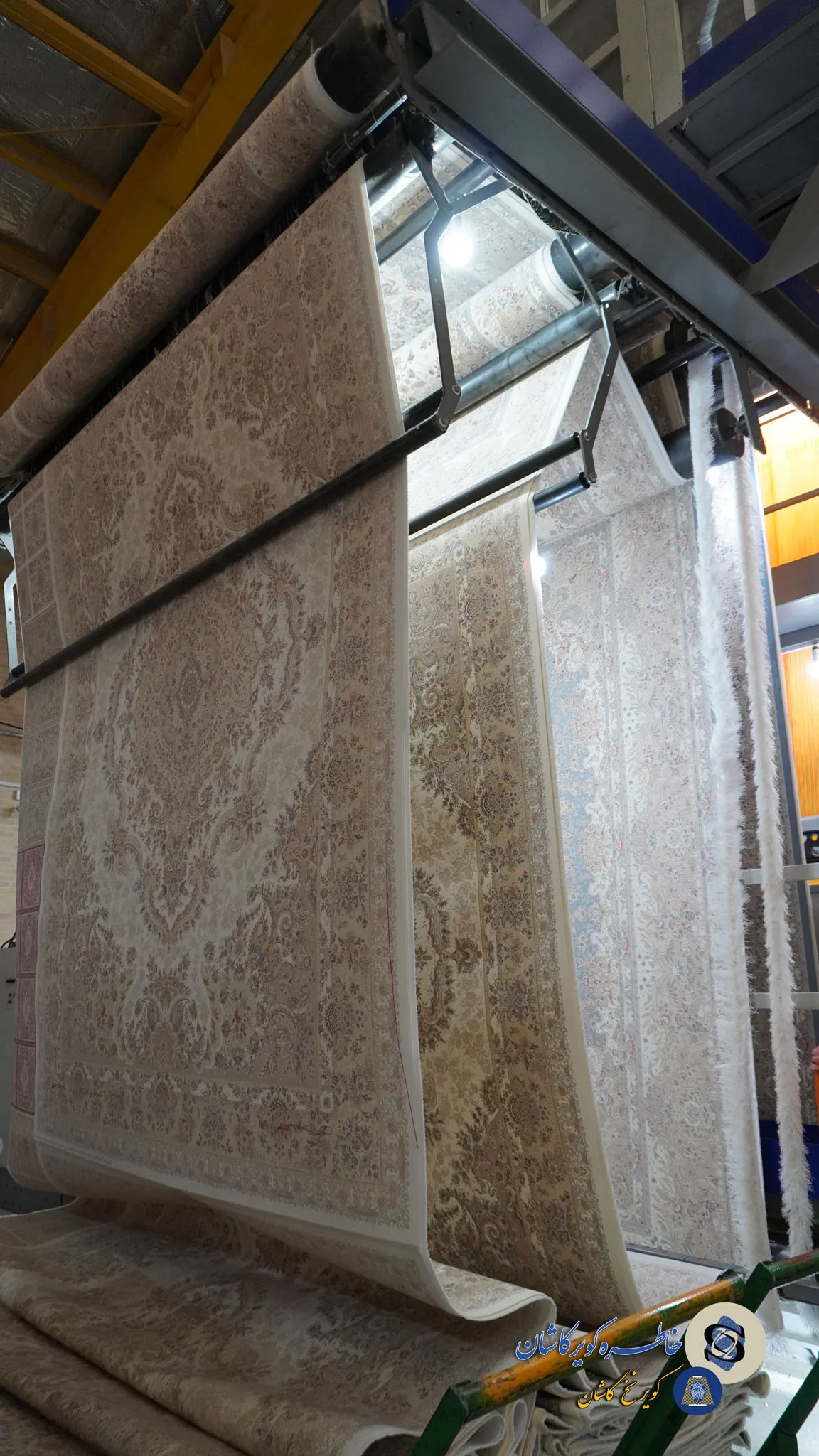
تاثیر تحریمهای بینالمللی بر فرش ایران
تحریمهای بینالمللی نیز به عنوان یکی دیگر از چالشهای بزرگ صنعت فرشبافی ایران در عصر مدرن مطرح هستند. این تحریمها محدودیتهایی را در صادرات فرشهای ایرانی به بازارهای جهانی ایجاد کردهاند و باعث کاهش درآمد و رونق این صنعت شدهاند. به دلیل این محدودیتها، بافندگان و تولیدکنندگان فرش ایرانی با مشکلات اقتصادی و کاهش فروش مواجه شدهاند. با این حال، تلاشها برای یافتن بازارهای جدید و استفاده از روشهای نوین بازاریابی، از جمله فروش آنلاین و تبلیغات دیجیتال، به منظور جبران این تاثیرات منفی ادامه دارد. همچنین، تمرکز بر ارتقاء کیفیت و طراحیهای نوآورانه، میتواند به حفظ و گسترش این هنر ارزشمند در سطح جهانی کمک کند.
استفاده از رنگهای طبیعی در دنیای مدرن فرش بافی
در دنیای مدرن فرشبافی، بازگشت به استفاده از رنگهای طبیعی یکی از نوآوریهای قابل توجه است. رنگهای طبیعی که از گیاهان، مواد معدنی و منابع طبیعی دیگر استخراج میشوند، نه تنها به حفظ محیط زیست کمک میکنند بلکه به فرشها زیبایی و اصالت خاصی میبخشند. این رنگها به دلیل پایداری و دوام بالا، به مرور زمان جلوهی خود را از دست نمیدهند و به فرشهای دستبافت ایرانی جاذبه و ارزش افزودهای میبخشند. بافندگان امروزی با ترکیب این رنگها و استفاده از تکنیکهای جدید، فرشهایی با طرحهای متنوع و جذاب تولید میکنند که هم با سلیقههای مدرن و هم با اصالتهای کهن هماهنگ هستند.
ترکیب طرحهای سنتی و مدرن
یکی دیگر از نوآوریهای مهم در طراحی و تولید فرشهای ایرانی، ترکیب طرحهای سنتی با عناصر مدرن است. این رویکرد نه تنها به حفظ و ادامهی سنتهای کهن فرشبافی کمک میکند بلکه باعث جذب مخاطبان جدید و افزایش فروش این آثار هنری میشود. هنرمندان و طراحان با الهام گرفتن از نقوش سنتی مانند ترنج، اسلیمی و گلهای شاه عباسی و ترکیب آنها با الگوها و رنگهای مدرن، فرشهایی منحصربهفرد و خلاقانه خلق میکنند. این ترکیب هنرمندانه، جلوهای نو و دلنشین به فرشهای ایرانی میبخشد و این هنر کهن را با نیازها و خواستههای معاصر هماهنگ میکند.
جایگاه فرش ایرانی در موزههای جهان
فرشهای ایرانی به دلیل هنر بینظیر و تاریخچه غنی خود، جایگاه ویژهای در موزههای برجسته جهان دارند. این فرشها به عنوان نمونههای بیبدیل از هنر و فرهنگ ایرانی، در موزههایی مانند موزهی متروپولیتن نیویورک، موزهی لوور پاریس، موزهی ویکتوریا و آلبرت لندن و موزهی هنرهای اسلامی دوحه به نمایش گذاشته میشوند. هر کدام از این فرشها با طراحیهای منحصربهفرد و رنگهای زیبا، بازتابدهندهی ذوق و سلیقهی ایرانیان در طول قرون مختلف هستند. نمایش این آثار هنری در موزههای معتبر، نه تنها به شناخت بهتر هنر ایرانی کمک میکند بلکه به حفظ و ارتقاء جایگاه فرهنگی ایران در سطح جهانی نیز میافزاید.
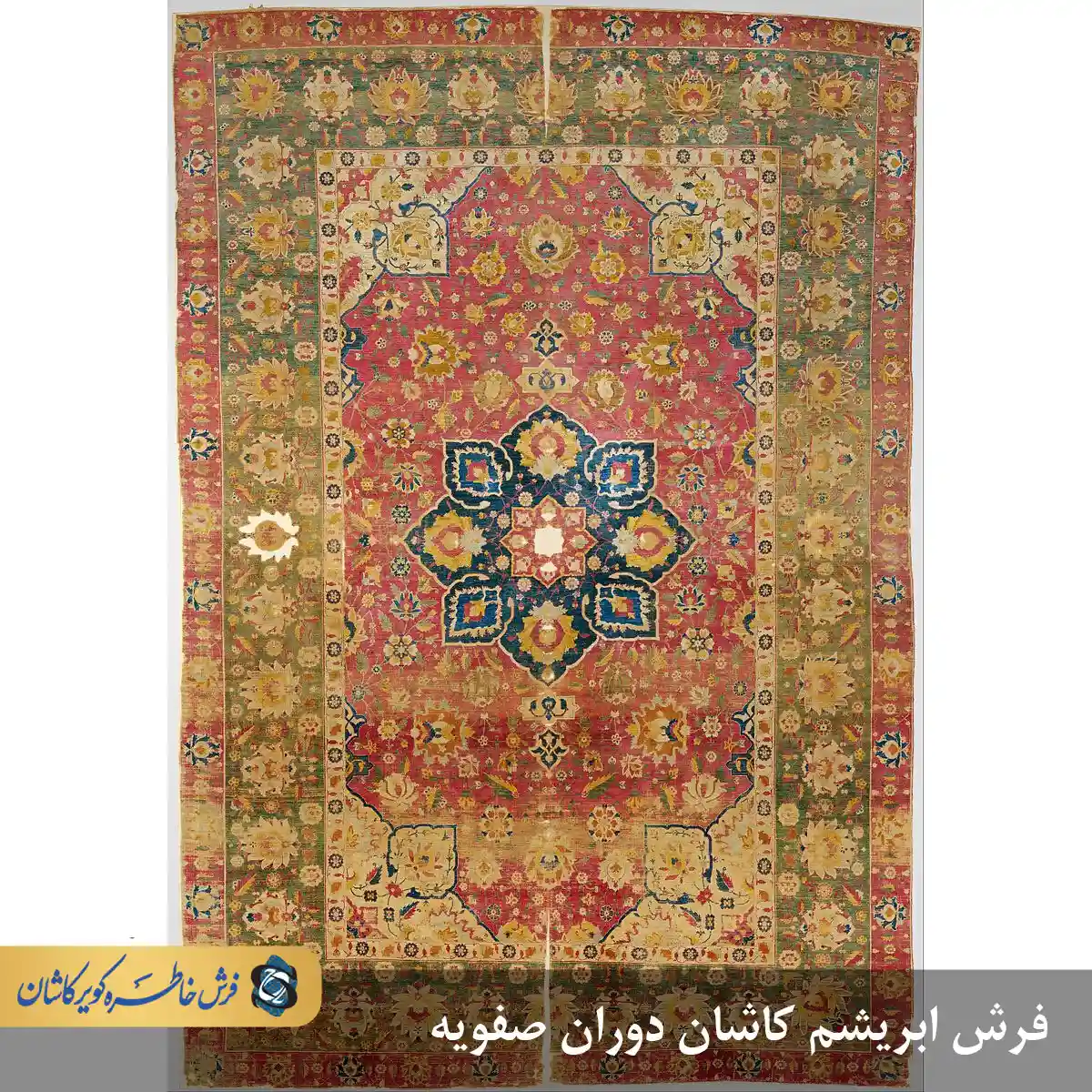
کلکسیونرهای بینالمللی
کلکسیونرهای بینالمللی نیز به عنوان علاقهمندان و حامیان هنر فرش ایرانی، نقش مهمی در ترویج و حفظ این هنر دارند. این کلکسیونرها با جمعآوری و نگهداری فرشهای نفیس و تاریخی، به نوعی سفیران فرهنگی ایران در سراسر جهان محسوب میشوند. فرشهای ایرانی با طرحهای متنوع و کیفیت بالا، همواره مورد توجه کلکسیونرهای بینالمللی بوده و به عنوان آثار هنری گرانبها در مجموعههای خصوصی و عمومی نگهداری میشوند. این کلکسیونرها، با خرید و نمایش فرشهای ایرانی در نمایشگاهها و رویدادهای بینالمللی، به معرفی و ترویج هنر فرشبافی ایران کمک میکنند و ارزش و اهمیت این آثار را به جهانیان نشان میدهند.
نمادها و هنر پنهان در فرش ایرانی
نقشها و طرحها
ترنج: نماد وحدت
ترنج، یکی از طرحهای برجسته و مورد استفاده در فرشهای ایرانی، نماد وحدت و یکپارچگی است. این نقش که عموماً در مرکز فرش قرار میگیرد، با شکلی هندسی و متقارن، تداعیکننده هماهنگی و توازن در هنر ایرانی است. ترنج به عنوان هستهی مرکزی طراحی فرش، نمایانگر وحدت و انسجام بخشهای مختلف فرش است که بهگونهای ماهرانه به یکدیگر متصل شدهاند.
اسلیمی: تجسم جریان زندگی
نقش اسلیمی، با خطوط منحنی و پیوسته، نمادی از جریان زندگی و پویایی در هنر فرشبافی ایرانی است. این نقشها که اغلب بهصورت پیچ و تاب در هم تنیدهاند، بازتابدهندهی حرکت و تغییرات مداوم در طبیعت و زندگی انسانها هستند. اسلیمیها با ترکیب هنرمندانهی خطوط منحنی، تجسمی از سیالیت و جریان زندگی در فرشها بهوجود میآورند.
بتهجقه: نشانه مقاومت
بتهجقه یکی از نقوش محبوب و شناختهشده در فرشهای ایرانی است که بهعنوان نشانهای از مقاومت و استقامت تعبیر میشود. این نقش که شکلی شبیه به شعلهی آتش یا سرو خمیده دارد، بیانگر ایستادگی و پایداری در برابر ناملایمات و سختیها است. بتهجقه با ظاهر منحنی و پیچیدهاش، به گونهای هنرمندانه، نمادی از قدرت و مقاومت در فرشهای ایرانی بهشمار میرود.
رنگها و معانی آنها
قرمز: عشق و شجاعت
رنگ قرمز در فرشهای ایرانی نمادی از عشق و شجاعت است. این رنگ پرانرژی و پرحرارت، بیانگر احساسات عمیق و پرشور انسانی است که در طول تاریخ به عنوان نشانهای از دلبستگیها و فداکاریهای بیپایان بهکار رفته است. در فرشهای ایرانی، استفاده از رنگ قرمز بهویژه در نقشها و حاشیهها، جلوهای شگفتانگیز و پراحساس به طرحها میبخشد.
آبی: آسمان و معنویت
رنگ آبی در فرشهای ایرانی به عنوان نمادی از آسمان و معنویت شناخته میشود. این رنگ آرامشبخش و دلنشین، تداعیکنندهی ارتباط انسان با جهان بالاتر و مقدس است. آبی به عنوان رنگی که احساسات معنوی و آرامش درونی را تقویت میکند، در طرحهای فرشهای ایرانی به کار میرود و به نوعی نماد پیوند بین انسان و ملکوت آسمانی بهشمار میآید.
سبز: رستاخیز و بهشت
رنگ سبز در فرشهای ایرانی نمادی از رستاخیز و بهشت است. این رنگ که به دلیل ارتباط مستقیم با طبیعت و زندگی، احساسات امید و تازهشدگی را به ذهن متبادر میکند، در فرهنگ ایرانی به عنوان رنگی مقدس و زندگیبخش تلقی میشود. سبز در طرحهای فرشهای ایرانی به عنوان نشانهای از بازگشت زندگی و رشد دوباره به کار میرود و جلوهای از بهشت و آرامش الهی را در این آثار هنری به نمایش میگذارد.
فرش ایرانی در فرهنگ و هنر جهانی
تأثیر فرش بر طراحی جهانی
الهامبخش طراحان داخلی و مُد
فرشهای ایرانی با طرحها و نقوش بینظیر خود، همواره منبع الهام بسیاری از طراحان داخلی و مُد در سراسر جهان بودهاند. این آثار هنری با زیبایی و ظرافت خاصی که دارند، به طراحان امکان میدهند تا فضاهایی شگفتانگیز و جذاب خلق کنند. ترکیب رنگهای زنده و هماهنگ با نقشهای هنرمندانه و پیچیده، به طراحان این امکان را میدهد که عناصر فرهنگی و هنری ایرانی را به طراحیهای مدرن خود اضافه کنند. بسیاری از طراحان معروف مُد نیز از طرحها و الگوهای فرشهای ایرانی در طراحی لباسها و اکسسوریهای خود استفاده کردهاند که این نشانهای از تأثیر بیپایان و جهانی هنر فرشبافی ایران است.
استفاده از نقوش ایرانی در دکوراسیون مدرن
نقوش ایرانی که در فرشهای سنتی به کار میروند، اکنون جای خود را در دکوراسیون مدرن نیز یافتهاند. این نقوش با تکرار الگوهای هندسی، گلها و گیاهان، به طراحان داخلی امکان میدهند تا فضایی هماهنگ و زیبا ایجاد کنند که تلفیقی از سنت و مدرنیته باشد. استفاده از این طرحها در دکوراسیون داخلی، نه تنها به فضاهای مدرن جلوهای هنری و منحصر به فرد میبخشد، بلکه به نوعی ارتباط بین گذشته و حال را نیز برقرار میکند. این نقوش در زمینههای مختلفی مانند دیوارپوشها، کفپوشها، پارچههای مبلی و حتی اکسسوریهای دکوراتیو به کار میروند و زیبایی و اصالت هنر ایرانی را به جهان معاصر معرفی میکنند.
قالی اردبیل در موزه ویکتوریا و آلبرت
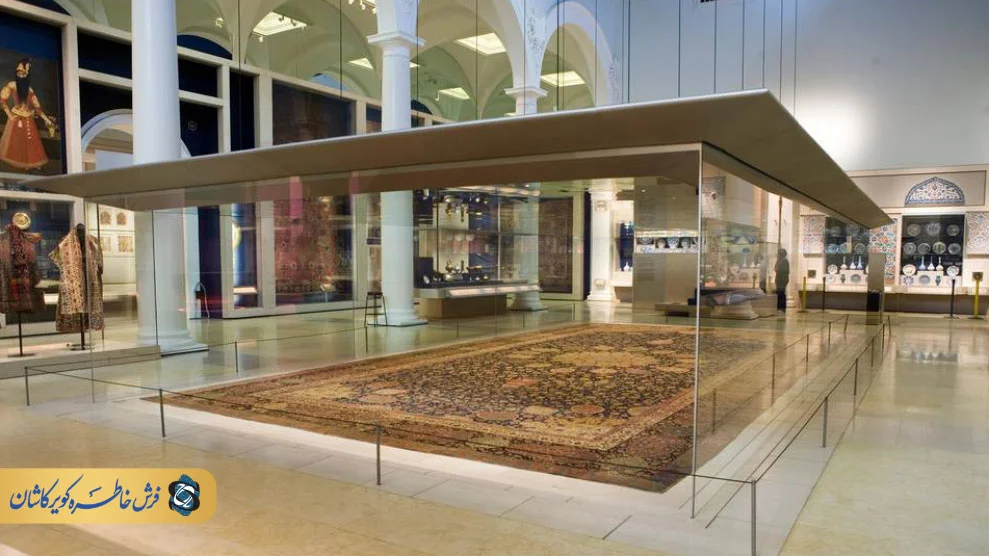
قالی اردبیل یکی از مهمترین و ارزشمندترین آثار هنری ایران است که در موزه ویکتوریا و آلبرت لندن نگهداری میشود. این قالی که به قرن شانزدهم میلادی و دوران صفوی بازمیگردد، با ابعاد بزرگ و طراحی بینظیر خود، یکی از شاهکارهای هنر فرشبافی ایرانی محسوب میشود. قالی اردبیل با نقوش هندسی و گلدار، بهویژه طرحهای لچک و ترنج و استفاده از رنگهای زنده و طبیعی، جلوهای شگفتانگیز به این اثر هنری بخشیده است. این قالی نهتنها به عنوان نمادی از هنر و فرهنگ ایران شناخته میشود بلکه به عنوان یکی از گنجینههای بزرگ موزه ویکتوریا و آلبرت به نمایش گذاشته شده و مورد تحسین بازدیدکنندگان قرار میگیرد.
فرشهای ایرانی در لوور و متروپولیتن
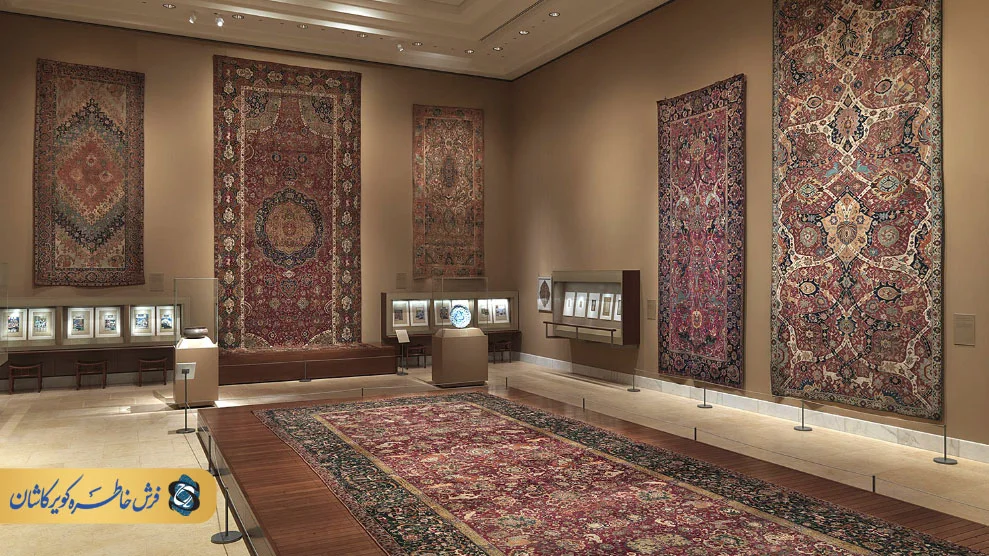
فرشهای ایرانی نیز جایگاه ویژهای در موزههای معتبر جهان از جمله موزه لوور در پاریس و موزه متروپولیتن در نیویورک دارند. این فرشها با طرحها و نقشهای متنوع و پیچیده، نمادی از هنر و فرهنگ غنی ایرانزمین هستند. در موزه لوور، فرشهای نفیس ایرانی که به دورههای مختلف تاریخی بازمیگردند، به نمایش گذاشته شدهاند و بازدیدکنندگان را با زیبایی و شکوه هنر ایرانی آشنا میکنند. همچنین در موزه متروپولیتن، فرشهای ایرانی به عنوان بخشی از مجموعههای هنری اسلامی، جلوهگر ذوق و مهارت بافندگان ایرانی هستند. این فرشها با استفاده از بهترین مواد و رنگهای طبیعی، با دقت و ظرافت بینظیری بافته شدهاند و به عنوان آثار هنری بیبدیل، ارزش و اهمیت خاصی در موزههای جهان دارند.
آینده صنعت فرش ایران
چالشها و فرصتها
رقابت با فرشهای ماشینی
یکی از چالشهای بزرگ صنعت فرشبافی دستی در ایران، رقابت شدید با فرشهای ماشینی است. این فرشها با استفاده از فناوریهای پیشرفته و بهصورت انبوه تولید میشوند، که باعث کاهش هزینهها و افزایش سرعت تولید میشود. فرشهای ماشینی با طرحها و رنگهای متنوع و قیمتهای پایینتر، توانستهاند سهم بزرگی از بازار را به خود اختصاص دهند. این وضعیت بافندگان سنتی را با مشکلات اقتصادی جدی مواجه کرده است. اما ارزش هنری و اصالت فرشهای دستی همچنان جایگاه خود را حفظ کرده و به عنوان آثار هنری بینظیر و منحصر به فرد مورد توجه قرار میگیرند.
نوآوری در طراحی و تولید
در مقابل چالشها، فرصتهای جدیدی نیز برای صنعت فرشبافی ایرانی وجود دارد. یکی از این فرصتها، نوآوری در طراحی و تولید فرشها است. استفاده از تکنیکهای جدید بافت، ترکیب طرحهای سنتی و مدرن و استفاده از رنگهای طبیعی میتواند به جذب مخاطبان جدید و افزایش فروش کمک کند. همچنین، تلاش برای ایجاد طرحهای منحصر به فرد و خلاقانه که هم با سلیقههای مدرن و هم با اصالتهای کهن هماهنگ باشند، میتواند به افزایش ارزش و جذابیت فرشهای ایرانی کمک کند. استفاده از فناوریهای جدید و روشهای بازاریابی نوین نیز میتواند به بهبود و توسعه این صنعت کمک کند. به طور کلی، با توجه به تاریخچه و ارزش هنری فرشهای ایرانی، آینده این صنعت با تکیه بر نوآوری و خلاقیت میتواند روشن و امیدوارکننده باشد.
حمایت از بافندگان
یکی از راهکارهای کلیدی برای حفظ هنر فرشبافی، حمایت مالی و فنی از بافندگان است. ارائه مواد اولیه با کیفیت، تسهیلات مالی و بازارهای فروش مناسب میتواند به بهبود شرایط اقتصادی و افزایش انگیزه بافندگان کمک کند. همچنین، ایجاد کارگاهها و مراکز تخصصی برای آموزش و ارتقاء مهارتهای بافندگان میتواند به تقویت این هنر کهن و جلوگیری از کاهش کیفیت محصولات کمک کند. با حمایت مناسب از بافندگان، میتوان به حفظ و توسعه هنر فرشبافی و ارتقاء جایگاه آن در بازارهای داخلی و جهانی کمک کرد.
آموزش نسلهای جدید
آموزش نسلهای جدید یکی دیگر از راهکارهای موثر برای حفظ و ترویج هنر فرشبافی است. ایجاد برنامههای آموزشی در مدارس و دانشگاهها، برگزاری کارگاههای عملی و دورههای آموزشی تخصصی میتواند به آشنایی و علاقهمندی نسلهای جدید به این هنر ارزشمند کمک کند. همچنین، تشویق جوانان به یادگیری و تمرین هنر فرشبافی، میتواند به انتقال این میراث فرهنگی به نسلهای آینده کمک کند. با آموزش و پرورش نسلهای جدید، میتوان به حفظ و ارتقاء هنر فرشبافی ایرانی و تضمین آیندهای روشن برای این صنعت ارزشمند دست یافت.
مراکز اصلی فرش بافی در ایران
فرشبافی در ایران دارای مراکز متعددی است که هرکدام به دلیل ویژگیهای منحصر به فرد خود شناخته شدهاند. در اینجا به بررسی برخی از مراکز اصلی فرشبافی ایران میپردازیم:
اصفهان
آمیخته ای از طبیعت و فرهنگ ایرانی
اصفهان، یکی از مهمترین مراکز فرشبافی ایران، با تاریخچهای کهن و آثار هنری بینظیر، همواره مورد توجه هنردوستان و پژوهشگران بوده است. فرشهای اصفهان با طرحهای ظریف و پیچیده، نقشهایی الهامگرفته از طبیعت و فرهنگ ایرانی و استفاده از رنگهای زنده و طبیعی، بهویژه آبی لاجوردی، شناخته میشوند. بافندگان اصفهانی با دقت و مهارت بالا، گرههایی ریز و منظم در این فرشها ایجاد میکنند که نتیجهی آن فرشهایی با کیفیت و ماندگاری بالا است.
تبریز
شهر فرش های ریزبافت
تبریز، یکی دیگر از مراکز مهم فرشبافی ایران، با تاریخچهای طولانی و آثار هنری فاخر، جایگاه ویژهای در دنیای هنر فرشبافی دارد. فرشهای تبریز با طرحها و نقوش متنوع، از جمله طرحهای هندسی و گلهای شاه عباسی، و استفاده از رنگهای گرم و متنوع شناخته میشوند. بافندگان تبریزی با استفاده از بهترین مواد و تکنیکهای پیشرفته، فرشهایی با کیفیت عالی و طرحهای منحصربهفرد تولید میکنند که در بازارهای جهانی نیز مورد استقبال قرار میگیرند.
کاشان
مرکز فرش های ظریف
کاشان، شهری با سابقهی طولانی در هنر فرشبافی، بهویژه برای تولید فرشهای ابریشمی و گلفرنگ مشهور است. فرش کاشان با طرحهای گلدار و نقشهای ظریف و هنرمندانه، بهویژه گلهای شاه عباسی و لچک و ترنج، شناخته میشوند. بافندگان کاشانی با دقت و حساسیت بالا، از ابریشمهای نرم و رنگهای طبیعی استفاده میکنند که نتیجهی آن فرشهایی با بافتی لطیف و رنگهایی درخشان است. این فرشها نهتنها در ایران بلکه در بازارهای جهانی نیز طرفداران زیادی دارند.
مشهد
فرش های خاص و باشکوه
مشهد، به عنوان یکی از مراکز مهم مذهبی و فرهنگی ایران، در زمینه فرشبافی نیز فعالیت چشمگیری دارد. فرشهای مشهد با طرحهای مذهبی و الهام گرفته از اماکن مقدس، بهویژه حرم امام رضا (ع)، شناخته میشوند. رنگهای غالب در این فرشها، قرمز، آبی و کرم است که جلوهای خاص و باشکوه به این آثار میبخشد. بافندگان مشهدی با دقت و مهارت بالا، فرشهایی با کیفیت و ماندگاری تولید میکنند که در بازارهای داخلی و خارجی مورد استقبال قرار میگیرند.
کرمان
طرح های باغی و شکارگاهی خیره کننده
کرمان، یکی دیگر از مراکز مهم فرشبافی ایران، با فرشهای پر نقش و نگار و طرحهای پیچیده، بهویژه نقشهای باغی و شکارگاهی، شناخته میشود. رنگهای متنوع و درخشان، از جمله قرمز، آبی و سبز، در این فرشها بهکار میروند که جلوهای خاص و زیبا به این آثار هنری میبخشند. بافندگان کرمانی با استفاده از بهترین مواد و تکنیکهای پیشرفته، فرشهایی با کیفیت بالا و طرحهای منحصربهفرد تولید میکنند که در بازارهای جهانی نیز مورد استقبال قرار میگیرند.
قم
ظرافتی بی نظیر
قم، شهری با تاریخچهای مذهبی و فرهنگی غنی، در زمینهی فرشبافی نیز جایگاه ویژهای دارد. فرشهای قم بهویژه به خاطر استفاده از ابریشمهای لطیف و نقشهای دقیق و ظریف شناخته میشوند. طرحهای فرش قم معمولاً شامل نقوش گل و گیاه، لچک و ترنج و طرحهای هندسی است که با دقت و هنر بالای بافندگان قمی بافته میشوند. رنگهای بکار رفته در این فرشها عمدتاً شامل رنگهای زنده و طبیعی مانند قرمز، آبی و طلایی است که به آنها جلوهای خاص و دلنشین میبخشد. فرشهای قم به دلیل کیفیت بالا و طراحیهای منحصربهفرد، همواره در بازارهای داخلی و خارجی مورد توجه و استقبال قرار میگیرند.
اینکه فرش قم به عنوان یکی از صنایع دستی برجسته این شهر شناخته میشود، نه تنها به دلیل زیبایی و هنر بینظیر آنها، بلکه به دلیل تأثیری که بر اقتصاد و فرهنگ محلی دارد، بسیار مهم است. بافندگان قمی با استفاده از بهترین مواد اولیه و تکنیکهای بافت پیشرفته، فرشهایی با دوام و ماندگاری بالا تولید میکنند که هر کدام نمادی از هنر و فرهنگ غنی این شهر است. این فرشها به عنوان هدایای ارزشمند و نمادین نیز به مهمانان خارجی اهدا میشوند و به نوعی سفیران فرهنگی قم و ایران در جهان به شمار میروند.
این مراکز، هر کدام با ویژگیهای منحصربهفرد خود، نقشی مهم در حفظ و ارتقاء هنر فرشبافی ایران ایفا میکنند و به عنوان نمادی از تاریخ، فرهنگ و هنر این سرزمین شناخته میشوند.
فرش ایران به عنوان میراث فرهنگی
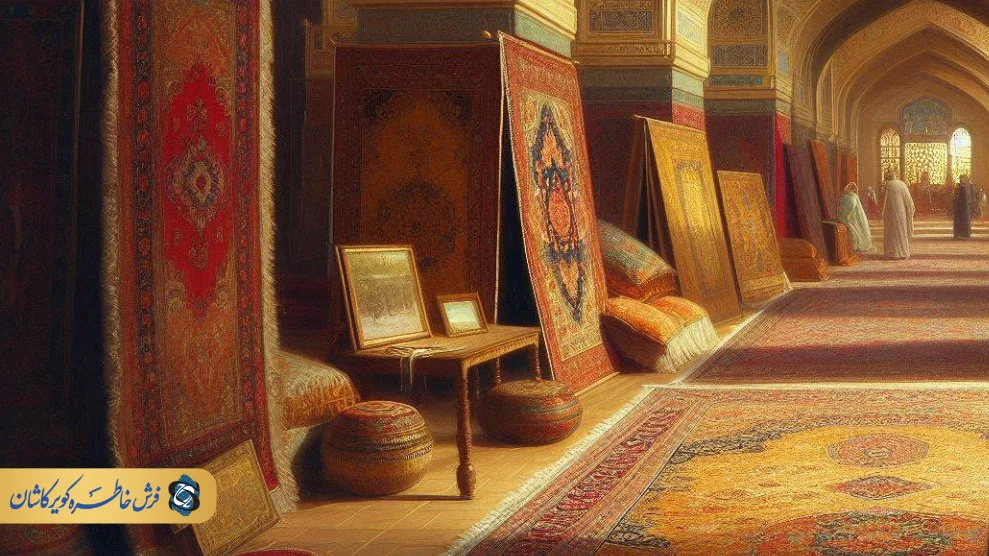
فرش ایرانی بهعنوان یکی از مهمترین میراثهای فرهنگی ایران، بازتابدهندهی تاریخ، هنر و فرهنگ این سرزمین است. این آثار هنری که با دقت و مهارت بینظیری بافته شدهاند، نمادی از اصالت و ذوق هنری ایرانیان در طول قرون مختلف بهشمار میروند. فرشهای ایرانی با طرحها و نقوش منحصربهفرد خود، همچنان در موزهها و مجموعههای هنری جهان جایگاه ویژهای دارند و به عنوان سفیران فرهنگی ایران در سراسر دنیا شناخته میشوند.
ضرورت حفظ و توسعه هنر فرش
حفظ و توسعه هنر فرشبافی ایرانی از اهمیت ویژهای برخوردار است. حمایت مالی و فنی از بافندگان، ایجاد بازارهای مناسب، آموزش نسلهای جدید و نوآوری در طراحی و تولید میتواند به حفظ و ارتقاء این هنر کمک کند. این تلاشها نهتنها به حفظ میراث فرهنگی ایران کمک میکند بلکه به بهبود وضعیت اقتصادی بافندگان و توسعه صنعت فرشبافی نیز منجر میشود. توجه به کیفیت و اصالت فرشهای دستبافت ایرانی میتواند جایگاه این هنر را در بازارهای جهانی تقویت کند.
چشمانداز آینده فرش ایرانی
با توجه به تاریخچهی غنی و ارزش هنری فرشهای ایرانی، چشمانداز آیندهی این صنعت با تکیه بر نوآوری و خلاقیت میتواند روشن و امیدوارکننده باشد. مواجهه با چالشهایی مانند رقابت با فرشهای ماشینی و تحریمهای بینالمللی نیازمند تلاشهای مستمر و حمایتهای ویژه است. با ارتقاء کیفیت، استفاده از مواد اولیهی با کیفیت و تمرکز بر طراحیهای منحصربهفرد، میتوان به جذب مخاطبان جدید و افزایش تقاضا برای فرشهای ایرانی دستیافت. آیندهای که در آن هنر فرشبافی ایرانی همچنان به عنوان یکی از مهمترین و ارزشمندترین صنایع دستی جهان شناخته شود و به عنوان نمادی از فرهنگ و هویت ملی ایران مورد تحسین و احترام قرار گیرد.
یکی از نوآوریهای مهم در این زمینه، تولید فرش ابریشم ماشینی 1600 شانه توسط شرکت خاطره کویر کاشان است. این فرشها که توسط شرکت کویرنخ کاشان تولید میشوند، ترکیبی از طراحیهای سنتی و مدرن را به نمایش میگذارند و با استفاده از مواد اولیهی با کیفیت و تکنیکهای پیشرفته، به تولید فرشهایی با کیفیت و ماندگاری بالا کمک میکنند. این تلاشها نه تنها به حفظ و ترویج هنر فرشبافی ایرانی کمک میکند بلکه به بهبود و تقویت جایگاه این صنعت در بازارهای جهانی نیز منجر میشود.
سخن پایانی
فرش ایرانی، میراثی است که از دل تاریخ سربرآورده و امروز به نمادی جهانی تبدیل شده است. این هنر، تنها یک کالا نیست، بلکه روایتی است از صلابت فرهنگی ملتی که با نخ و رنگ، تاریخ خود را بافته است. در آینده، حفظ این هنر نیازمند حمایت از بافندگان، نوآوری در طراحی و معرفی آن به نسلهای جدید است. فرش ایرانی، همچون رودی جاری، از گذشته تا ابدیت جریان خواهد داشت.
11 thoughts on “تاریخچه فرش ایرانی”
- سامان says:
خیلی خوب بود، اما اگر تصاویر بیشتری اضافه بشه خواندن مطلب جذاب تر می شه
- پشتیبان سایت says:
ممنون بابت پیام و انرژی مثبت تون. به زودی مقاله رو با تصاویر بیشتر بروز می کنیم
- کوروش کبیر says:
در متن به بزرگترین فرش جهان در امارات اشاره شده که ذکر چنین مطلبی در تاریخچه فرش ایرانی معنی ای نداره!
- پشتیبان سایت says:
ممنون بابت تذکرتون در بروزرسانی بعدی این مورد رو اصلاح می کنیم
- منوچهریان says:
به نظرم باید تصاویر بیشتری از فرش های منحصربه فرد ایران در متن گنجانده شود.
- پشتیبان سایت says:
سلام جناب منوچهریان. ممنون بابت وقتی که گذاشتین و مطلب رو بررسی کردید. چشم تصاویر بیشتری از فرش هایی مثل پاریزیک اضافه می کنیم.
- نسرین says:
خوب بود ولی کاش از فرش های کاشان و اصفهان و کرمان و … عکس هم میذاشتین
- پشتیبان سایت says:
ممنون بابت نظرتون به زودی عکس های بیشتر به مقاله اضافه می کنیم
- سپهر says:
سلام صفحه رو چک کردم چندتا پیشنهاد به ذهنم رسید
فهرست عناوین و تایم مطالعه اضافه کنید
تصاویر خاص استفاده کنید که خواننده روی صفحه بمونه مثال: عکس فرش کاشان در دیدار پاپ که دیروز وایرال شد
دسته ها رو هم فراموش نکنید
موفق باشید- پشتیبان سایت says:
ممنون سپهرجان. نظرت خیلی ارزشمنده برام. ممنون وقت گذاشتی همه رو اعمال می کنم
- سعید تقیان says:
سلام، فرش و نقشه های معروف ایرانی رو به مقاله اضافه کنید
Thank you so much for this amazing article! It provides incredibly useful information that will definitely help me. I’m looking forward to more of your great content!